
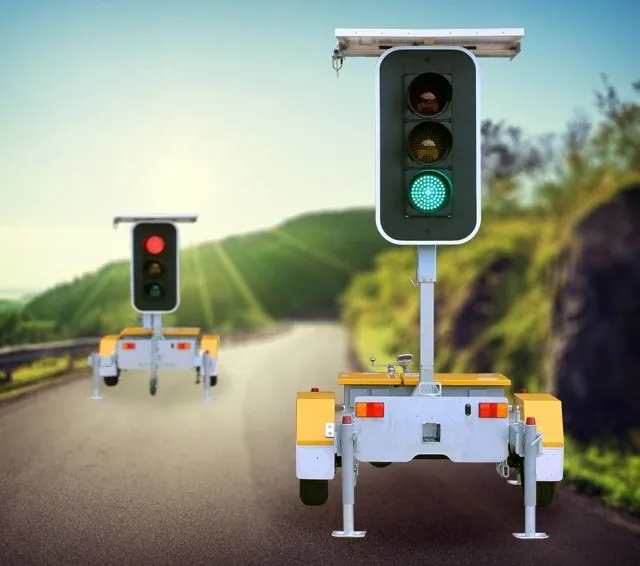
Using temporary traffic lights instead of manual traffic control offers several safety benefits. Here are the advantages of utilizing temporary traffic lights for traffic management:
Automated Operation: Temporary traffic lights operate automatically based on pre-programmed timings, eliminating the possibility of human error or inconsistencies in signaling. This ensures a consistent and predictable traffic flow, reducing confusion and potential conflicts.
Reduced Human Error: Manual traffic control relies on the attentiveness and judgment of traffic personnel. However, human error, such as miscommunication, distractions, or fatigue, can occur. Temporary traffic lights eliminate the risk of human error, providing accurate and reliable traffic control.
Improved Visibility and Clarity: Temporary traffic lights are equipped with high-visibility signal heads that are easily recognizable, even from a distance. This enhances visibility for all road users, ensuring clear communication of traffic signals and reducing the chances of misinterpretation.
Enhanced Safety for Traffic Personnel: In situations where manual traffic control requires traffic personnel to stand in the middle of roadways or intersections, there is a higher risk of injury due to exposure to moving vehicles. Temporary traffic lights eliminate this risk by allowing traffic personnel to operate the lights from a safer location.
Consistent Timing and Sequencing: Temporary traffic lights provide consistent and standardized timing for each phase, ensuring a smooth transition between green, yellow, and red signals. This consistency helps drivers anticipate signal changes, promoting safer and more orderly traffic flow.
Improved Safety at Night and in Inclement Weather: Temporary traffic lights have built-in features such as bright LED lights and reflective surfaces, making them highly visible even in low-light conditions or inclement weather. This improves safety by ensuring that motorists can easily see and understand the signals, reducing the risk of accidents.
Remote Control Capability: Some temporary traffic lights offer remote control capabilities, allowing traffic management personnel to operate the lights from a safe distance, such as a control center or a vehicle parked off the road. This eliminates the need for personnel to be physically present on the roadway, reducing their exposure to traffic hazards.
Reduced Congestion and Accidents: Temporary traffic lights efficiently manage traffic flow, preventing congestion and reducing the likelihood of accidents. By providing clear instructions and controlling the right-of-way, temporary traffic lights minimize conflicts between vehicles and enhance overall safety on the road.
It's important to note that the selection of traffic control methods should consider the specific circumstances and needs of each situation. Factors such as traffic volume, road geometry, and construction requirements should be taken into account to determine the most appropriate and effective traffic control method.
Share this post: